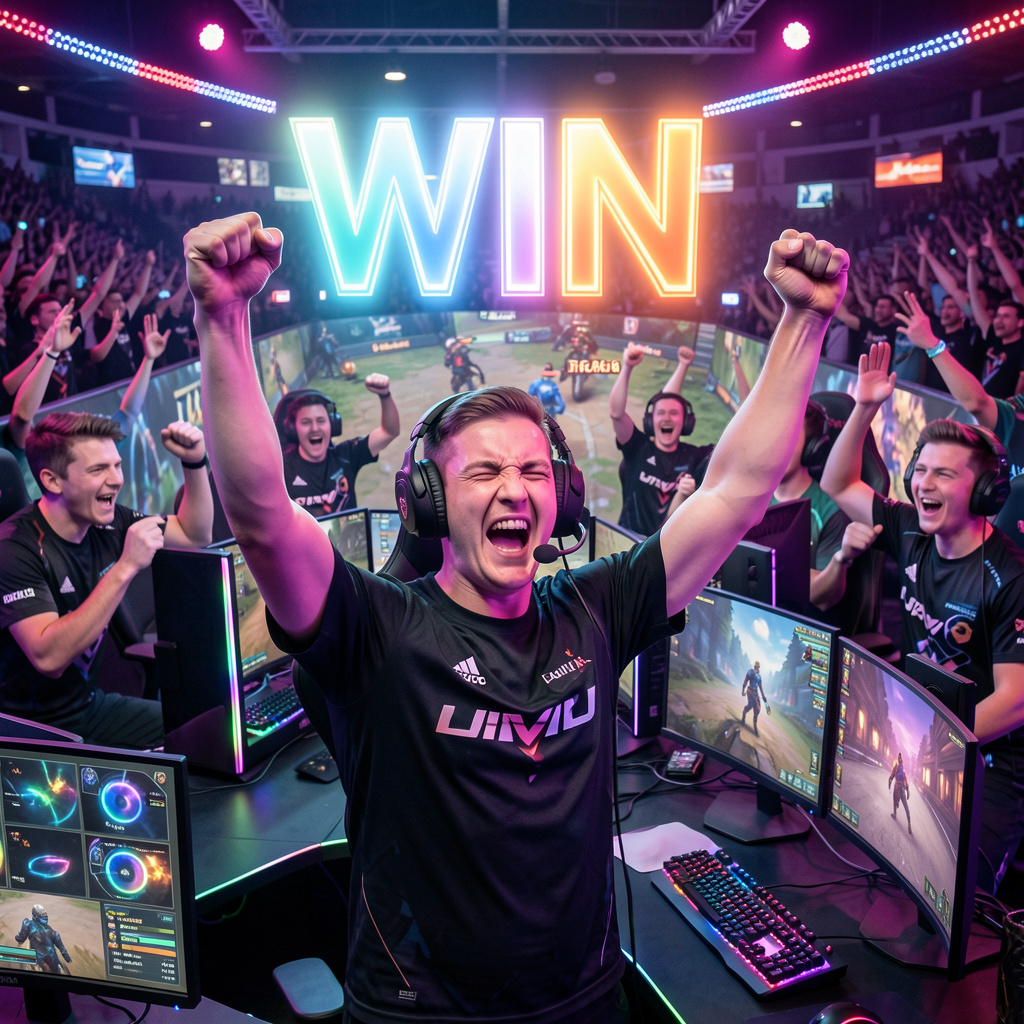
For many people, gaming is not just an occasional activity — it is a way of life. The modern gamer follows a simple yet exciting cycle: play, compete, repeat. Online gaming has grown beyond basic entertainment and become a daily routine filled with challenges, achievements, and connections. From casual matches after school to late-night tournaments with friends, gaming has shaped a unique lifestyle that blends fun, competition, and personal growth. Today, being a gamer means more than just playing games; it means being part of a vibrant and active digital culture.
Gaming as a Daily Habit
Unlike traditional hobbies that require special preparation or locations, online gaming is always available. Players can log in anytime and instantly join their favorite worlds. This easy access makes gaming a natural part of daily life.
Many gamers set aside time each day to play, just like others might exercise or watch television. Whether it is a quick match or several hours of exploration, gaming becomes part of their routine. This regular involvement creates a strong connection between the player and the game.
The Joy of Play
At the heart of the gamer’s lifestyle is simple enjoyment. Games provide excitement, adventure, and relaxation all at once. Players can explore new worlds, complete missions, or just have fun with friends.
This sense of play helps reduce stress and improve mood. After a long day of work or study, stepping into a virtual world feels refreshing. The joy of playing keeps gamers coming back, reminding them that fun is important in everyday life.
The Thrill of Competition
While fun is important, competition adds energy and purpose. Many online games include ranked matches, tournaments, and leaderboards that challenge players to improve their skills. Competing against real people makes every match intense and unpredictable.
Gamers push themselves to become faster, smarter, and more strategic. Winning brings pride and satisfaction, while losing encourages learning and growth. This constant cycle of challenge and improvement keeps the experience exciting.
Competition transforms gaming from simple entertainment into a test of ability and determination.
Practice and Improvement
Serious gamers understand that skill does not come easily. To compete well, they practice regularly. They learn game mechanics, study strategies, and analyze their mistakes. Over time, their reflexes sharpen and their decisions become smarter.
This dedication builds discipline and patience. Just like athletes or musicians, gamers train to get better. The desire to improve is a key part of the gaming lifestyle and one of the reasons players stay committed.
Connection and Community
Gaming is rarely a lonely activity. Online multiplayer modes allow players to connect with friends and meet new people from around the world. Through voice chat and teamwork, gamers build strong social bonds.
These communities often feel like families. Teammates celebrate victories together and support each other during losses. Many players log in not just for the game itself, but for the friendships they have formed. The social aspect of gaming makes the lifestyle even more meaningful.Visit hargatoto daftar online for more details.
Balancing Passion and Responsibility
Although gaming is exciting, balance is important. Spending too much time playing can affect health, studies, or work. Successful gamers learn to manage their time wisely and take breaks when needed.
A healthy lifestyle includes exercise, rest, and other responsibilities alongside gaming. When balanced properly, gaming remains enjoyable and beneficial rather than overwhelming. Responsibility ensures that the lifestyle stays positive.
Opportunities Beyond Fun
For some, the gamer’s lifestyle leads to new opportunities. Competitive gaming, streaming, and content creation have opened doors to careers in esports and digital media. What starts as a hobby can grow into something much bigger.
Gamers today can become professional players, coaches, or entertainers. This shows how powerful and influential online gaming has become in the modern world.
Learning Life Skills Through Gaming
The gamer’s lifestyle also teaches valuable life skills. Players develop teamwork, problem-solving, quick thinking, and resilience. They learn how to handle pressure and adapt to new challenges.
These abilities are useful in real life, helping gamers succeed in school, work, and social situations. Gaming becomes not just a pastime but a source of personal growth.
Conclusion
In conclusion, the gamer’s lifestyle is built on a simple yet powerful rhythm: play, compete, repeat. It combines fun, challenge, and connection into a daily experience that millions of people enjoy. Gaming offers excitement, friendships, and opportunities for growth, making it much more than just entertainment. When balanced responsibly, this lifestyle can be both rewarding and inspiring. For gamers everywhere, every day brings a new match, a new challenge, and another chance to press play.